Historic U.S. Route 66 in Webb City
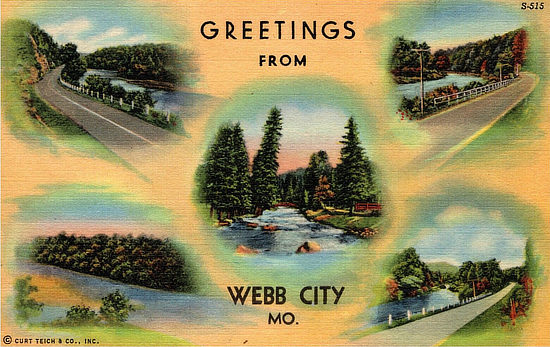 |
"The Mother Road" was established on November 11, 1926, and ultimately stretched 2,448 miles from Chicago to Los Angeles. Starting in Chicago, westbound travelers traversed a series of towns in Illinois before arriving in St. Louis.
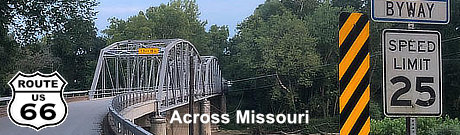
Heading westbound in Missouri, the route traveled through these cites and towns:
Historic U.S. Route 66 Byway in Missouri |
Route 66 across Missouri stretched 317 miles and connected a variety of large cities and small towns, traversing rolling hills and valleys. The Mother Road followed much of the Kickapoo, or Osage, Trail, an Indian trail that later became the Old Wire Road. Like other Route 66 segments, the actual alignment varied over the years as engineering improvements were constructed. We've driven much of Route 66, including multiple segments across Missouri, and visits to Webb City. |

Webb City Missouri ... Background
A popular stop on Route 66 today is Webb City, situated between Carthage and Joplin. The City of Webb City was founded in 1876 by John C. Webb, upon some of the world's purest veins of lead and zinc ore. The city covers 18 square miles and has a population of about 13,000 residents. It is often called "The Zinc City".
Starting as a mining camp, the meteoric growth of Webb City reached a population of more than 15,000 people in a period of about twenty-five years. Webb City occupied the central district of the largest lead and zinc mining area in the world. More than 100,000 people lived in the immediate area of the Webb City district.
Webb City Today
Today, the City of Webb City offers a wide range of events for locals and Route 66 visitors, from outdoor concerts, seasonal festivals, local parks and sports competitions.
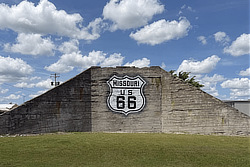
Route 66 Cardinal Park is at the entrance to the city and features antique mining equipment and is also a great photo opportunity on the large Route 66 Medallion. The park is located at 528 East Broadway Street in Webb City.
Located at 112 West Broadway is the Route 66 Center, housed in an old service station. It is a great place to find out more about the history of the city and things to do. The building is also the home of the Webb City Area Chamber of Commerce.
 |
Other popular attractions include the circa-1913 Webb City Public Library. The circa-1891 Elijay Thomas Webb Home at 4 South Liberty Street, near Route 66, is on the National Register of Historic Places.
The annual Route 66 Cruise-a-Palooza offers plenty of activities, all for a great cause. It’s part of Webb City’s annual community celebration that first began in 2009. The Route 66 Cruise-a-Palooza is dedicated to fallen Webb City officer Jacob Williams. The two-day event features a car show, numerous food and craft vendors, and monster truck rides.
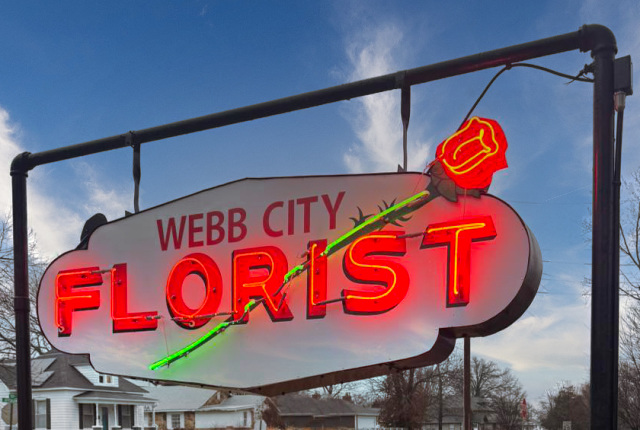
The Route 66 Association of Missouri is raising funds to restore the 70 year old neon sign at Webb City Florist. Rich Dinkela, president of the association, has posted a video about the business and the fundraiser. Courtney Smith, the new owner of the Florist, has recently taken over this legacy business along an original alignment of the historic Route 66 through the city.
The public's invited to the relighting party for Webb City Florist's neon sign
|
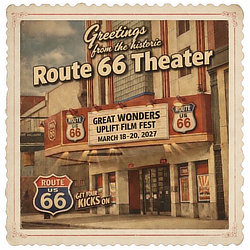
Route 66 Theater
The Route 66 Theater in Webb City stands as a historically significant landmark located within one block of the original pre‑1950 alignment of U.S. Route 66. The building’s proximity—approximately 350 to 500 feet from the original Route 66 path along Broadway—places it firmly within the historic Route 66 cultural landscape. Constructed during the mid‑20th century era when Route 66 was at its peak, the building reflects the architectural character and community‑centered entertainment venues common along the highway. Its continued use, restoration efforts, and alignment with Route 66 heritage tourism strengthen the city’s identity as a destination for travelers exploring the history of the Mother Road. The building’s recognizable facade, historic brickwork, and prominent vertical sign contribute to the visual authenticity of the district and reinforce its connection to mid‑century roadside culture. Location: 24 S. Main Street |
||
Historic District
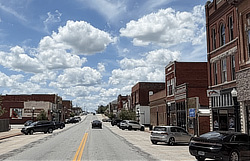
The Webb City Downtown Historic District is one of the most charming and walkable small ‑ town cores along Historic Route 66, and it's officially listed on the National Register of Historic Places. Covering a compact 12 ‑ acre area with 43 contributing buildings, the district preserves the look and feel of Webb City's mining ‑ era boom years — brick storefronts, early theaters, banks, fraternal halls, and civic landmarks that once served one of the busiest zinc ‑ mining regions in the world. For Route 66 travelers, it's an easy, rewarding stop: park once, stroll the blocks, and enjoy a mix of history, murals, cafés, and restored architecture. Many of the buildings date from 1883 to 1965, the exact era when Webb City thrived and Route 66 was born. The district includes some of the best surviving examples of Italianate, Romanesque Revival, Art Deco, and Streamline Moderne architecture in southwest Missouri. Whether you’re photographing vintage facades, exploring local shops, or tracing the old Mother Road alignment, downtown Webb City offers a genuine slice of Route 66 heritage. Location: West Broadway & Main Street |
||
Main Street and Dougherty Mural
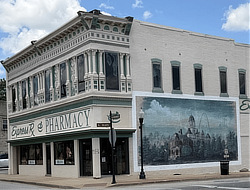
Downtown Webb City offers a charming blend of history and small ‑ town character, and this corner building at Main & Daugherty is one of its most recognizable landmarks. Home to a pharmacy for more than a century, the structure still carries the architectural details of early 1900s commercial design — tall windows, decorative trim, and a classic corner ‑ entry storefront that anchors the historic district. Visitors walking or driving th rough downtown often pause here because the building feels like a preserved piece of Webb City's past, still serving the community just as it has for generations. One of the highlights of this stop is the large mural on the east wall, painted by longtime Webb City mayor and artist John Biggs. The artwork captures a nostalgic, scenic journey along Route 66, blending regional history with a sense of Americana that resonates with travelers. It's a popular photo spot and a great example of the public art that gives Webb City its personality. Located just steps from other historic sites, cafés, and the Route 66 Theater, this corner makes a perfect addition to any walking tour of downtown. Location: 101 West Daugherty |
||
Broadway and Main Street Mural
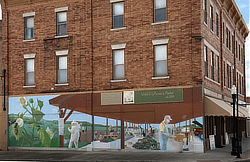
The Webb City Farmers Market Mural is one of downtown Webb City's most colorful and photo ‑ worthy stops. Painted on the side of a historic brick building, it captures the lively spirit of the city's beloved farmers market — complete with growers, shoppers, flowers, produce, and even a beekeeper. It's a bright, joyful celebration of Webb City's agricultural roots and community pride, and it makes a perfect quick stop for anyone exploring the historic downtown district. You'll find the mural at the corner of Broadway Street and Main Street in downtown Webb City, just a couple of minutes off Historic Route 66. It's easy to spot, easy to park near, and surrounded by local shops, cafés, and other public ‑ art pieces. A great place to stretch your legs, snap a few photos, and get a feel for the town's welcoming character. Location: Intersection of E. Broadway, (Historic Route 66), and Main Street |
||
Gateway Park
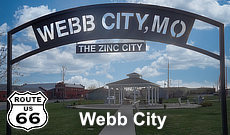
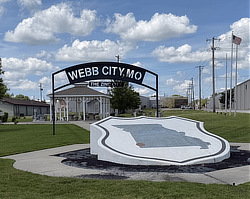
The Route 66 Gateway Park marks the official southern entrance into Webb City and makes a perfect quick stop for anyone exploring Missouri's stretch of the Mother Road. The park features the striking black arch that reads “ WEBB CITY, MO – THE ZINC CITY ”, a tribute to the town's mining heritage, along with a bold concrete Missouri Route 66 shield pinpointing Webb City's location. It's small, clean, and designed for easy photos — an ideal roadside moment to commemorate your trip. Located along Historic Route 66 on S. Street, this little green space is impossible to miss as you drive in from Joplin. With its tidy landscaping, walkway, and nearby gazebo, it offers a welcoming first impression of Webb City and a fun, low ‑ effort stop for travelers collecting Route 66 landmark. Location: E. Daugherty St. and S. Madison (directly across from the Cardinal Scale Manufacturing) |
||
King Jack Park
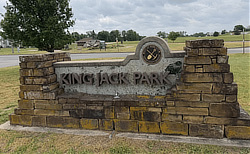
If you're passing through Webb City on Route 66 and think there's nothing to see, you are missing out. King Jack Park is one of those rare places where natural beauty and genuine American history collide — and it's absolutely free. What most visitors don't realize is that this gorgeous park — with its peaceful lakes, walking trails, and open green spaces — was once one of the most productive lead and zinc mining sites in the entire world. The very ground beneath your feet was once torn open by miners who built this town from nothing. The lakes you see? Those are the old mine pits, filled back in over decades. The hills? Built from the earth that was dug out. The iconic Praying Hands monument is a must - see — dramatically positioned on a hill so it appears to reach straight up to heaven. Right alongside it stands the Kneeling Miner Statue, a moving tribute to the men who worked these grounds more than a century ago. Together, they tell a story that no history book quite captures the way standing there in person does. Location: Dawson Drive |
||
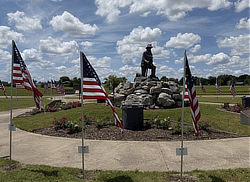
Kneeling Miner Statue
The Kneeling Miner Statue in Webb City’s King Jack Park is one of the community’s most meaningful tributes to its mining heritage. The original statue was created in 1976 by local artist Jack E. Dawson as part of Webb City’s Bicentennial celebration. Sculpted in concrete, it honored the hard - rock miners and families who built the Webb City District’s mining industry, with four early-day miners serving as models for the piece. For three decades, the concrete miner stood as a sentinel overlooking the former lead and zinc fields, symbolizing the grit, danger, and determination that shaped the town’s early Location: King jack Park, 106 E. Tracy Street |
||
|
||
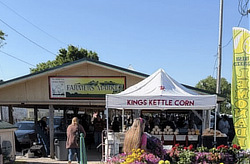
Farmers' Market
Some places stop you in your tracks — not because of a billboard or a tourist sign, but because of the smell of fresh - baked bread drifting across a sunlit park, the sound of a live musician tuning up, and a table piled high with Missouri - grown tomatoes so red they almost glow. That's the Webb City Farmers Market, and once you stumble onto it, you won't be leaving anytime soon. Tucked right at the entrance to the gorgeous King Jack Park — itself a hidden gem sitting on the old zinc mining grounds that built this town — the market has been a beloved community institution since 2000. What started with just four vendors has grown into one of the most vibrant open - air markets in the Four - State Region, drawing thousands of visitors on a typical summer Saturday to a town of just 10,000 people. That tells you everything you need to know. This is a producer - only market — meaning every single item you pick up was grown, raised, baked, brewed, or crafted by the person standing right in front of you. You're buying eggs from the farmer who collects them, honey from the beekeeper who tends the hives, bread from the baker who pulled it from the oven that morning. The market calls it "food with a face" — and that's exactly what it is. The spread is extraordinary. Fresh seasonal vegetables, pasture - raised meats, locally roasted coffee, kombucha, tamales, pupusas, smoked salts, artisan soaps, cut flowers, beeswax, and more handmade good s than you can carry. Sit down with a plate of biscuits and gravy, listen to the live music, and watch the city's beautifully restored historic streetcar roll past the park — it runs free every first Saturday of the month, and the kids absolutely love it. Speaking of kids — the market runs a free summer meal program serving breakfast, lunch, and dinner to children during the season, averaging 175 kids at every meal. A Kids' Community Garden involving more than 200 local children teaches the next generation where food really comes from. This isn't just a farmers market. It's a community in action. Open year - round on Saturdays from 9 a.m. to noon, with additional Tuesday and Thursday markets during peak season, the Webb City Farmers Market is one of those rare finds that makes a road trip feel like more than just miles. It's the kind of stop that becomes a story you tell long after you get back home. Location: King Jack Park, 106 E. Tracy Street |
||
Twin Cities Street Railway Street Mural
The historic interurban trestle between Webb City and Carterville is one of the last surviving pieces of the old electric railway that once powered the mining boom of the Tri ‑ State District. First built in 1889 for the mule ‑ drawn Twin Cities Street Railway — and electrified just a few years later — it became part of a 94 ‑ mile network connecting towns across Missouri, Kansas, and Oklahoma. Streetcars and later electric freight cars crossed this span daily, carrying miners, families, and supplies between two of the region's busiest communities. Today, the trestle stands as a rare reminder of the era before automobiles dominated the landscape. The corridor between Webb City and Carterville was once crowded with mine shafts, tailings piles, and rail spurs, so elevated structures like this were essential to keep the interurban line straight and reliable. Though the system shut down in 1939, this trestle remains a quiet, photogenic landmark — an unexpected slice of early transportation history just minutes off Route 66. Location: Intersection of E. Broadway, (Historic Route 66), and Madison Street |

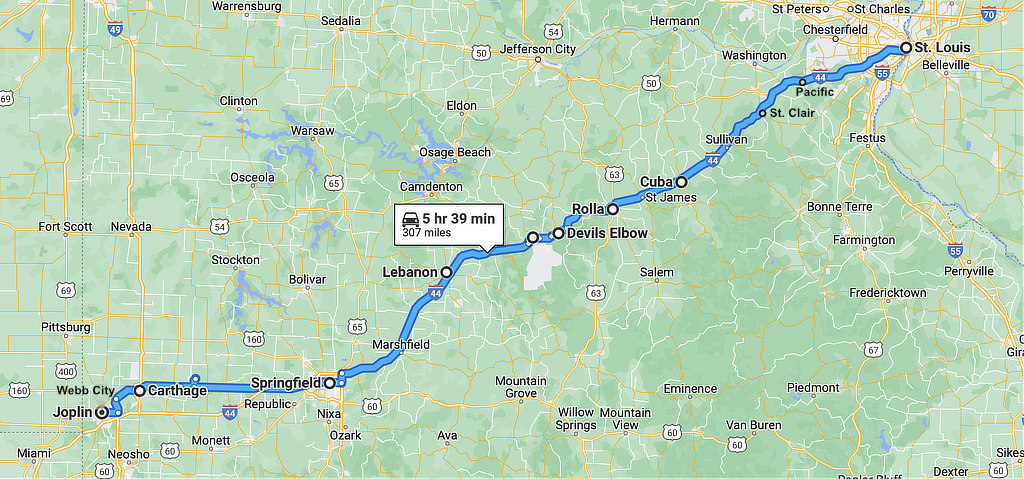
Map showing the approximate location of Webb City between Carthage and Joplin on Route 66 in Missouri
Interactive Map of Webb City, Missouri
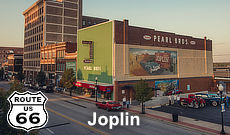
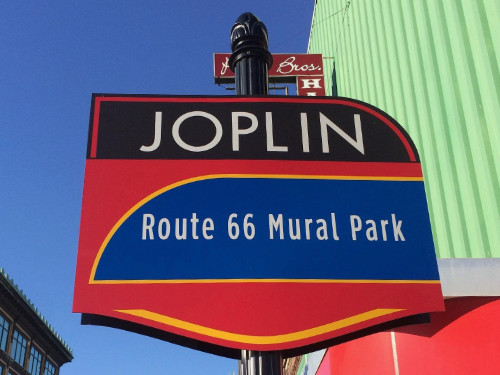
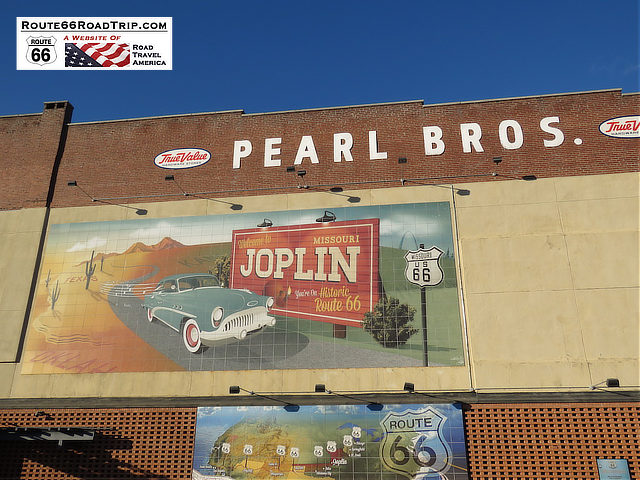
Just South of Webb City: Joplin's Route 66 Mural ParkShown here is the mural in downtown Joplin, Missouri at Pearl Brothers Hardware Store. This is only one of many murals painted throughout the downtown area. The Route 66 Mural Park in Joplin features two nostalgic murals and an oversized 45-record imprint of "Get Your Kicks on Route 66". The upper mural is called "Cruisin’ into Joplin", and showing a vintage Buick arriving in Joplin on Route 66 from the west. The lower mural is called "The American Ribbon", tracing the route of the Mother Road from Chicago to Los Angeles. Jutting out in three dimensions from the mural is a mock 1964 red Chevrolet Corvette. This is a favorite stop for Rouge 66 travelers in Missouri for photo-ops! The mural is located at 619 S. Main Street in Joplin. |
|
 |
 |
 |
|
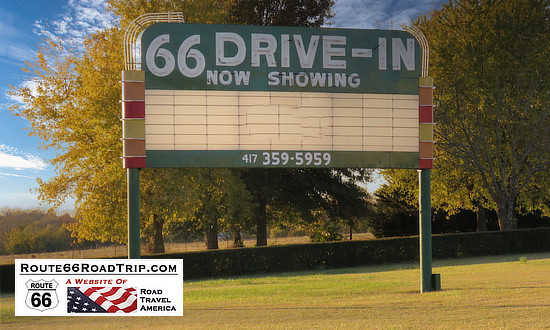
Carthage: Just East of Webb CityOne of the first concrete-paved portions of Missouri’s highway system was the stretch of road west of Carthage to Joplin, laid in 1920. In 1926, this route became part of Route 66. Along the route today travelers find Kellogg Lake, Powers Museum, Carthage Municipal Park, Stone’s Throw Dinner Theatre, 66 Drive-In Theatre (below) and the 1939 Boots Court (right). Official website of the Boots Court ... Phone 417.310.2989 |
Historic Boots Court, Route 66, Carthage |
66 Drive-In Theatre, Carthage, Missouri It is located at 17231 Old 66 Boulevard in Carthage. Phone 417.359.5959 For more information, opening dates and show times, visit the official website of the 66 Drive-In Theatre |
|
 |
 |
| Red Oak II, northeast of Carthage | |
 |
 |
Best-Selling Route 66 Books and Maps at our Amazon Store |
|
| Route 66 Travel Guide - 202 Amazing Places by Mark Watson 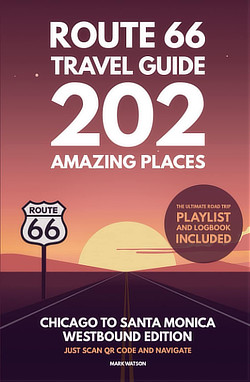 |
Route 66 Full-throttle Adventure Handbook, by Drew Knowles 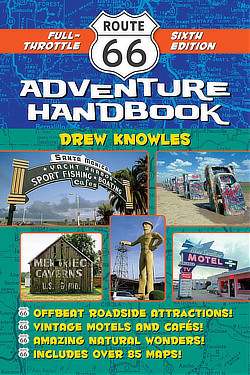 |
| EZ66 Guide for Travelers (6th Edition) by Jerry McClanahan 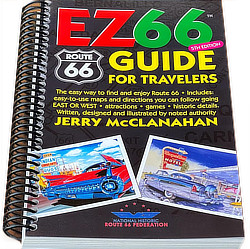 |
Rand McNally 2026 Road Atlas Large Scale Spiral Bound 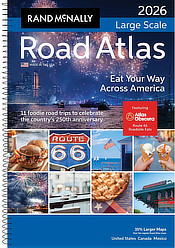 |
About These ProductsThe Route 66 Road Trip website is a participant in the Amazon Services LLC Associates Program, an affiliate advertising program designed to provide a means for sites to earn fees by advertising and linking to Amazon.com and affiliated sites. Amazon offers a commission on products sold through their affiliate links. There is no additional cost to you. |
|
More Resources about Webb City and Missouri |
|
|||||||||||||